
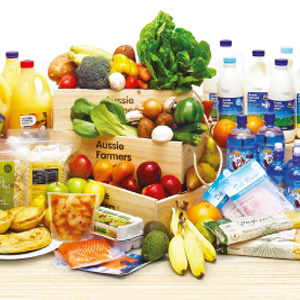
Fresh food delivery franchise, Aussie Farmers Direct (AFD), has taken the top spot on BRW’s Fast Franchises by Revenue list for two years running. In 2009-10 its revenue stood at $104.35 million, a growth of 157.45 percent in the three years to June 30, 2010. The company also ranked fourth for Fastest Growth by Outlets, has a joint venture in New Zealand, The Trusty Delivery Co, and has set up its own dairy in Camperdown, strengthening its all-Australian offering.
Despite this impressive growth and expansion, CEO Braeden Lord believes that the best way to move forward is simply to maintain and strengthen the business at a grassroots level with franchisees focused on being the modern day, friendly milkman, and, Lord hopes, “the face of the local community”.
Over the three years that Lord has spent as CEO of AFD, the company and his role within it have changed dramatically. Aussie Farmers now has a national presence in each of the major cities as well as a far broader product range which encompasses seafood, chicken, meat and fresh pastas. There is also a much higher level of engagement with both the franchisees and customers.
“When I first started I think we had about 30 franchises. We now have 190 but I must say that only until about six months ago, I was in front of just about every new franchisee around the country before they came on board. So only recently has that secondary suitability assessment been undertaken by a couple of other people in our business. We’ve recruited additional people so the face-to-face intimate involvement with just about every round [territory] has been passed onto other great people in the business,” Lord explains.
While Lord’s job now is centred more on seeking out integration and strategic growth opportunities, he makes sure his franchisees focus on the basic one-on-one interactions that the retail environment demands.
“In the last couple of months we’ve seen the best week-on-week growth in customers coming naturally to us than we’ve ever seen. So that’s a bonus and is great for our business but really it still does require that hands-on, day-to-day involvement by the franchisee to ensure that their existing customer base remains strong. Just like most retail businesses, you need to never take a customer for granted and always be working with them to really understand how to best add value from our service to their household.”
Depite AFD’s size and geographical spread, with 175 outlets, local area marketing is still a priority. “It’s through day-to-day hands-on involvement by the franchisee. So, for example, loyalty programs with kindergartens and primary schools in the area, appearing at sporting clubs and facilities in order to promote our services and offer sampling. It’s a little less around an ad in the local paper or a billboard at the local intersection, it’s more around the franchisee being part of the local community,” says Lord.
Interest from franchisees has increased significantly since the release of BRW’s Fast Franchises list, and according to Lord certain areas like Sydney and Melbourne have almost reached saturation in terms of available territories, but Perth, the Sunshine Coast, Brisbane and Adelaide are new markets and have plenty of opportunities for interested franchisees. And Lord is sure that franchising was and is the best business model for Aussie Farmers to make a name for itself.
“Like a lot of businesses that utilise franchising as a way of really expanding at a greater speed, it really gave the business the opportunity to get that geographical spread that it needs to have a strong presence in the marketplace. When you’re competing against major supermarkets and other chain retailers of food, getting the right geographical spread is vital.”
But the secret to succeeding and growing as a franchise is to get your business model right and prove that it’s successful before you grow, not the other way around, Lord adds. “Franchising doesn’t rely on expansion for the business to be successful, it relies on good quality existing rounds or businesses within that franchise network that can support the franchise structure. If you’ve got a base core model that is successful then it really is just a matter of replicating that rather than building a business that relies on growth to actually make it sustainable. If you’re at that stage then it makes it very awkward to be able to grow a business because you inevitably end up with a compromise somewhere through the chain.”
Lord says AFD is a little over half way toward what he sees at its potential for total growth. Where, in successful years the company has added 60 or 70 new franchise rounds to the system, the next few years will be more like 30 or 40 as the company focuses on integration opportunities and “building a great, sustainable, long-term business”.
Growth by numbers is made easy for AFD because many franchisees are keen to own multiple vans and have their local community well serviced, he says.
And what does Lord look for in a new franchisee? “They need to have enough creativity and entrepreneurialism, but they still need to work within a network and a system and be sharing, inclusive, participatory and not be a by-stander. If you’re going to be involved you have to be whole hearted about being involved.”